Postpartum Depression Is an Illness Experienced by One in Every 5 Women Who Give Birth Worldwide, and It Is Treatable.!!!
Postpartum Syndrome (Baby Blues) and Postpartum Depression: Causes and Treatment…
- Postpartum depression and aggression:
It has been found that the biochemical substances needed in the brain are reduced in patients with depression. During this period, many women feel mild sadness and anxiety as well as mood swings. These symptoms normally resolve on their own within 7-10 days and are considered normal; however, if these symptoms do not decrease or even increase in the following period, postpartum depression develops.
- What are the causes of postpartum depression?
*Biological causes: The sudden drop at birth in estrogen and progesterone levels, which rise during pregnancy, and the significant decrease in the amount of the hormone serotonin in the brain make the mother much more prone to depression. *Psychosocial causes: Problems in the marriage such as insecurity and lack of communication between spouses, problems related to sexuality, and insufficient financial resources and social support can pave the way for postpartum depression.
- What are the treatment methods for postpartum depression?
Postpartum depression is a condition that can be treated with psychotherapy, antidepressant or antipsychotic medication, and a strong social support network.
- How can mothers experiencing postpartum depression help themselves?
The best thing a mother can do in postpartum depression is to make time for herself.
- What should the spouses and families of mothers experiencing postpartum depression do?
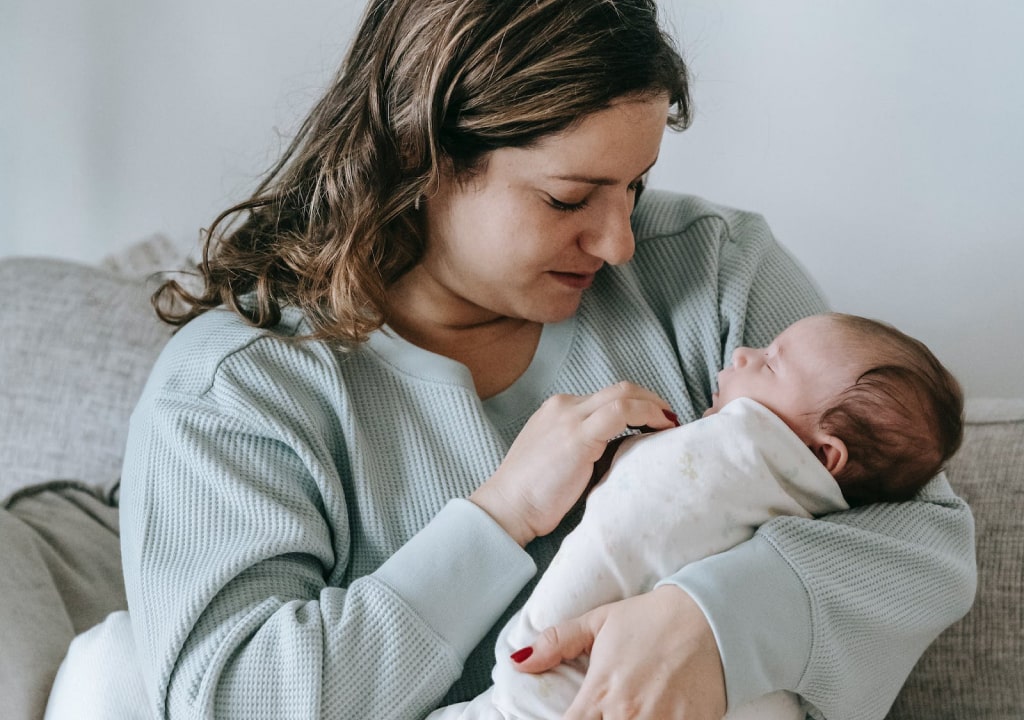
After giving birth, the mother expects intense compassion and understanding, especially from her spouse and close circle, due to the physical and hormone-driven emotional changes she is going through. Spouses should be much more sensitive, understanding and patient in every respect and should take an active role in the care of the baby.